
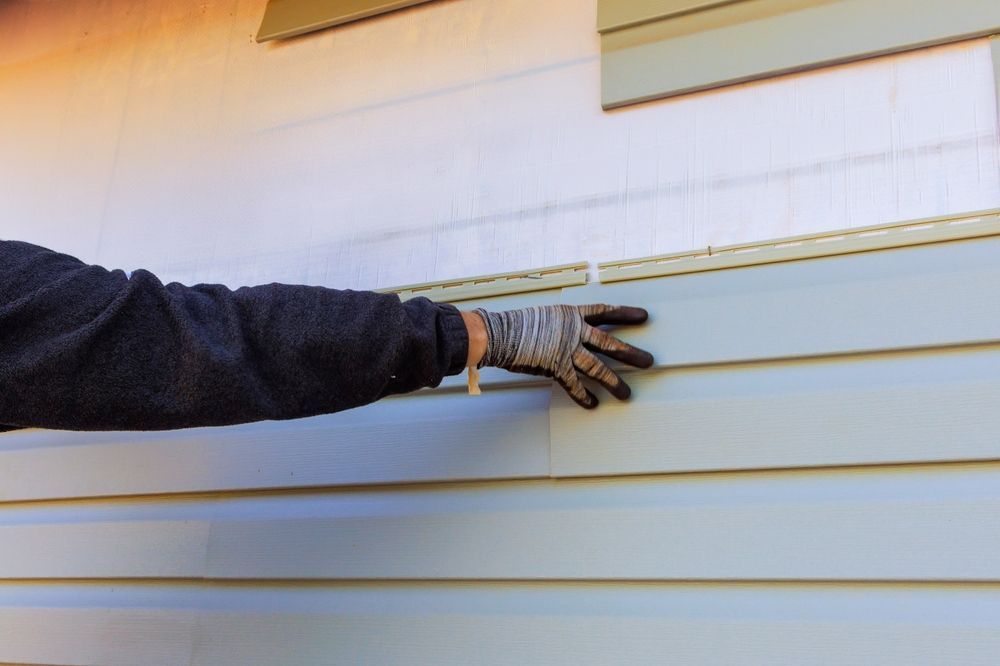
Structures Rebuilt After Storm Impacts
Siding Replacement in Springtown for homes compromised by Texas hail damage and temperature fluctuations
Hail storms leave visible dents in siding, crack fiber cement panels, and split wood lap boards, while temperature swings between freezing winters and 105-degree summers cause expansion and contraction that loosens fasteners and warps panels. When you see gaps between siding and trim, panels pulling away from the wall, or cracks spreading across multiple boards, the protective envelope of your home has failed and moisture is reaching the structure behind it. Aerosmith Painting replaces compromised siding with materials selected for their performance in local weather conditions, drawing on 45 years of construction experience to identify hidden damage that homeowners often miss during visual inspections.
The replacement process involves removing damaged sections, inspecting and repairing sheathing or moisture barriers underneath, and installing new siding with proper fastening and flashing to prevent future water intrusion.
Schedule a damage assessment to identify both visible and concealed siding failures on your property.
Why Local Weather Damage Requires Specific Repair Standards
Texas hail doesn't just dent surfaces—it fractures protective coatings, allowing UV exposure to degrade materials faster and creating pathways for water to penetrate wall assemblies during heavy rains. The veteran-owned operation at Aerosmith Painting means inspections account for secondary damage like loosened fasteners and cracked caulk joints that appear minor but compromise the entire system. OSHA 30 certification ensures scaffolding and fall protection meet standards for multi-story replacements.
After siding replacement, your home shows uniform appearance without mismatched panels, straight horizontal lines without waves or dips, and sealed joints that prevent wind-driven rain from entering wall cavities. You no longer see daylight through gaps, hear rattling during windstorms, or notice interior wall stains from moisture intrusion. Properly installed siding in Parker County withstands hail impacts better than damaged material because new panels retain flexibility and impact resistance that degrades over time with UV exposure.
This work includes removing and reinstalling exterior fixtures like light boxes and hose bibs, but does not include electrical or plumbing modifications. Material selection depends on your priorities—vinyl costs less and requires no painting, fiber cement resists fire and impact better but weighs more and requires specialized cutting tools, and wood offers traditional appearance but needs regular maintenance.
Common Questions About This Service
Siding replacement decisions involve understanding damage patterns, insurance processes, and material performance differences in regional conditions.
Why does siding replacement cost vary so much between estimates?
Price differences reflect material quality, whether rotted sheathing repair is included, how much trim and flashing work is needed, and whether the contractor follows manufacturer installation guidelines that affect warranty coverage.
How long does siding replacement take for a typical home?
Project timelines vary based on the size, scope, and complexity of the work, as well as weather conditions and any repairs needed before painting begins.
What signs indicate moisture has damaged the structure behind siding?
Interior wall stains, soft spots when pressing on exterior walls, visible mold on sheathing during siding removal, or musty odors in exterior wall cavities all indicate water intrusion that requires repair before new siding is installed.
With 25 years serving the Parker County area and comprehensive construction experience since 1978, Aerosmith Painting handles both insurance-driven replacements and upgrade projects. Request a detailed inspection to determine the full extent of weather-related damage on your property.