Garage Floors Built for Texas Heat
Epoxy Floors in Springtown for high-traffic surfaces exposed to temperature extremes
Texas heat, humidity, and seasonal temperature swings create unique challenges for epoxy floor systems, making proper preparation and material selection critical for long-term performance. Aerosmith Painting installs durable epoxy floor systems year-round in most conditions, with scheduling adjustments primarily needed during colder temperatures when curing and adhesion may be affected. Using professional-grade, non-water-based materials engineered for strength and longevity, our systems are designed to withstand temperature fluctuations, daily wear, moisture exposure, and the demands placed on concrete surfaces throughout Parker County.
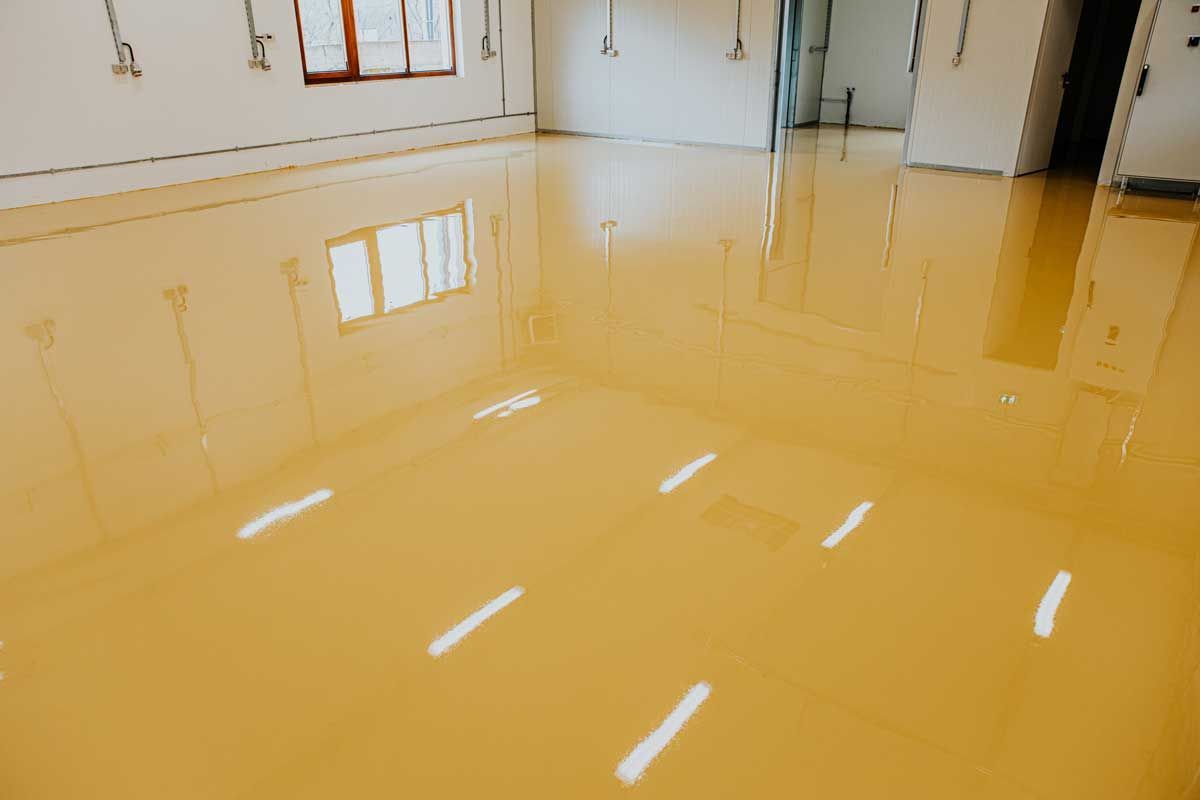
The process begins with extensive concrete preparation to remove contaminants and weak surface material, followed by applying a penetrating primer coat that bonds deep within the slab. A high-build, single-coat epoxy application then creates a dense, chemically bonded surface engineered for durability, easier maintenance, and enhanced slip resistance for improved safety in residential and commercial environments. Proper preparation removes the thin layer of cement paste that forms during curing, exposing the aggregate beneath and creating the mechanical bond necessary to prevent peeling or delamination as concrete expands and contracts over time.
Arrange an on-site evaluation to assess your concrete condition, discuss finish options, and determine the right system for your specific performance and usage requirements.
How Professional-Grade Epoxy Differs From Consumer Products
Professional epoxy systems use advanced, high-solids formulations that cure into an incredibly dense, rigid structure. Unlike standard water-based retail DIY kits that simply sit on top of the surface, our premium materials are engineered to establish an exceptionally strong, long-lasting bond with the concrete. The difference becomes obvious when hot tires park on the floor, heavy equipment is moved across the surface, or daily wear begins to test the coating.
Once curing is complete, you are left with a durable, easy-to-clean surface engineered to resist hot tire pickup, shed oil and chemical spills without staining, and maintain its appearance even in high-traffic environments. The floor no longer generates annoying concrete dust, water beads right up on the surface instead of soaking into the slab, and the entire space instantly feels brighter and more functional.
Our comprehensive installation focuses on meticulously preparing the slab by repairing existing cracks and spalls, addressing moisture concerns, and ensuring the surface is completely clean and dry. Epoxy requires a pristine foundation to bond properly, so taking the time to address these surface imperfections guarantees maximum adhesion. Combining this careful preparation with specialized additives—like decorative color flakes or stunning metallic finishes—creates a customized, high-performance floor built to withstand years of heavy use.
Answers to Frequent Service Questions
Property owners considering epoxy coatings typically want to know what affects installation success and how different systems perform under real-world conditions.
What preparation is required before epoxy application?
The concrete surface is thoroughly cleared of all existing contaminants, oil, and debris. Any foundational imperfections—such as cracks, divots, or spalls—are completely repaired and leveled to ensure a flat, stable substrate that is perfectly clean and dry for optimal material adhesion.
How does Texas heat affect epoxy floor performance?
High temperatures accelerate curing times during the installation phase and cause natural thermal movement after the floor is in use. Professional-grade formulations feature specialized stabilizers that maintain coating flexibility and premium UV inhibitors to protect against discoloration or yellowing over time.
What makes epoxy floors delaminate or peel?
Inadequate or rushed surface preparation is the primary cause of coating failure, followed by applying materials over trapped moisture or unaddressed surface residues. If the epoxy cannot form a continuous, deep bond with the concrete slab, it can eventually lift under vehicular weight or thermal stress.
When is the best time to install epoxy flooring in Springtown?
Mild spring and autumn temperatures offer the most controlled conditions for a flawless installation. This avoids both the extreme summer heat that drastically shortens material working time and winter cold snaps that can delay chemical curing.
What thickness do professional epoxy systems require?
High-performance floors are built up in specialized layers tailored to the environment. Typical garage floors receive a primer followed by heavy-duty topcoats, while commercial or industrial spaces may feature thicker builds to easily support heavy machinery and regular forklift traffic.
With 45 years of construction experience and veteran-owned operation, Aerosmith Painting applies epoxy systems using comprehensive preparation methods and OSHA 30-certified installation standards. Contact us to discuss flooring options based on your specific traffic patterns and use requirements.